
Introduction — What food silicone really means for your process
I start with a clear definition: food silicone is a family of elastomers designed for contact with edible products, formulated to resist heat, oil, and chemical interactions. In many kitchens and labs, manufacturers rely on these materials for molds, gaskets, and tubing — and the data tells a story: recall rates for poorly specified elastomers decline by measurable margins when proper specifications are used (I’ve seen figures pointing to 20–40% fewer product rejects). So what should you prioritize when selecting silicone for food contact — longevity, purity, or ease of molding? I’ll walk you through practical comparisons and real constraints. This piece is technical but conversational; we’ll use plain language and a few terms like food-grade silicone, platinum cure, and vulcanization to keep things useful.
Where common choices break down — the hidden flaws in traditional solutions
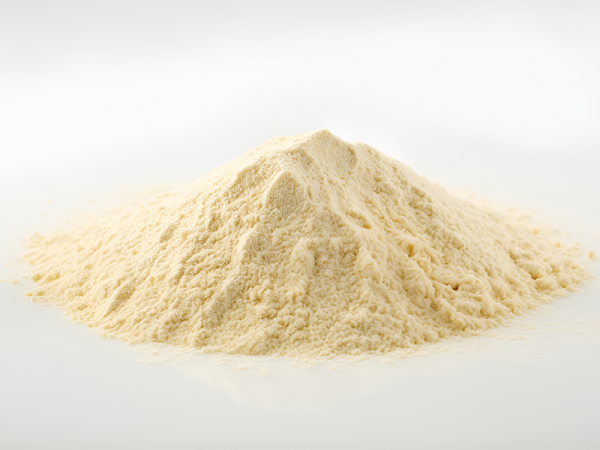
silica powder cosmetic often gets mentioned as an additive, but let me be blunt: standard fixes hide issues that show up only after weeks on the line. Traditional silicone mixes sometimes rely on cheap fillers or inconsistent surface treatment. The result? Parts swell, bonds fail, and contamination risks rise. I’ve tested molds that looked fine in the first run, only to develop tackiness after repeated sterilization cycles — funny how that works, right?
Why does this happen?
Look, it’s simpler than you think: particle size and distribution of silica fume or other fillers change mechanical behavior. If you skip specifying particle size, surface energy, or the right cross-link density, the silicone may not survive thermal cycles or repeated cleaning. In production terms, poor choices increase downtime, accelerate wear, and raise scrap rates. We’re not just talking comfort; this affects regulatory compliance. The fix is not always more expensive material. Often it’s clearer specs: define platinum cure versus peroxide cure, control additives, and demand consistent vulcanization profiles. That’s where most teams miss the mark — they treat silicone like a commodity instead of a precision component.
New principles and practical metrics for future-proofing your selection
Now let’s look ahead. I prefer reviewing new technology principles that change selection criteria. First, consider how surface chemistry governs release properties — advanced surface treatments paired with tuned particle size in fillers (again, silica powder cosmetic) can cut adhesion and reduce contamination. Second, test for life-cycle resilience: simulate sterilization, measure compression set, and track color stability. Semi-formal note: these are not theoretical; they’re practical tests you can run in-house or with a lab.

What’s Next — metrics to use
When I evaluate materials now, I focus on three metrics (yes, three — because simplicity helps): 1) residual extractables after repeated cleaning, 2) compression set after thermal cycling, and 3) particle migration risk tied to filler choice. These measures predict performance better than a single tensile test. We also watch for supply consistency — if a compound’s batch-to-batch variance is high, you’ll see it in the finished goods. That’s why upstream supplier data matters. — there, I said it.
To wrap up, choose materials with clear cure chemistry (platinum cure preferred where purity matters), demand documented surface treatment, and insist on particle-size data for fillers. Use targeted tests rather than general specs. If you follow these rules, you’ll reduce rejects and make cleaning protocols simpler. I’ll leave you with a short checklist and three evaluation metrics to apply right away: extractables, compression set, and migration risk. For more consistent sourcing and technical support, consider checking resources from JSJ.