
Introduction: The System Behind Every Compact and Tube
Packaging is not only a shell; it is a system of form, function, and flow. For many brands, make up packaging manufacturers sit at the center of this system, translating design into reliable, scalable parts. If your brand is scouting the right makeup packaging suppliers, the stakes feel high. Consider this scenario: a new lip line launches across three regions, and 43% of early complaints relate to pump consistency and label wear. Data from recent beauty reports shows more than half of shoppers notice package feel and finish before shade choice. Are we measuring what matters—durability, refill fit, PCR resin rates—or still leaning on price alone (easy to do, but risky)? The key question is simple: which specs and partners reduce rework without dulling the brand story? Let us define the moving parts—airless pump integrity, injection molding precision, and decoration life—then compare options in a clear way. Next, we move from surface trends to the core mechanics that shape success.
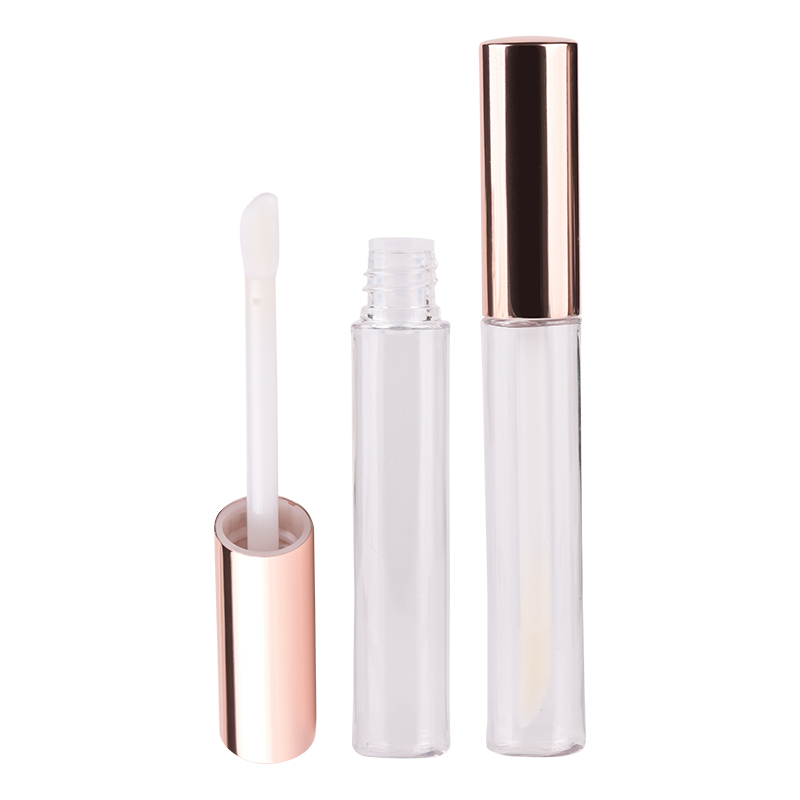
Hidden User Pain Points That Shape Real-World Failures
What are we not hearing until it is too late?
Users rarely say “the orifice diameter is off,” yet they feel it with every dose. Directly put: the common flaws hide in daily use. Loose torque on caps leads to purse leaks. Short dip tube length leaves 10% of product stranded. Fragile metallization scratches after two rides in a tote. Look, it’s simpler than you think—when specs ignore hand pressure variance, slip angle, and viscosity, users blame the brand, not the bottle. Terms like airless pump backflow, anodized aluminum wear, and tamper-evident band stretch are not jargon; they are failure modes you can measure. And if lot traceability is weak, returns spike without a fast root cause—funny how that works, right?
There is also the “quiet friction” problem. Refill pods that spin but do not seat. Brushes that shed after the first wash. Labels that cloud under steam from a home bathroom. Traditional fixes—thicker walls, more glue, heavier cartons—mask the symptom and raise freight. They seldom solve the user moment. Better is a tighter mating tolerance, UV flexo inks with higher scuff resistance, and a pump spring matched to product rheology. Small changes in injection molding gates, or OPV coating choice, often cut defect chatter by half. The lesson: design for real fingers, humid rooms, and quick routines—every day, not the photo shoot.
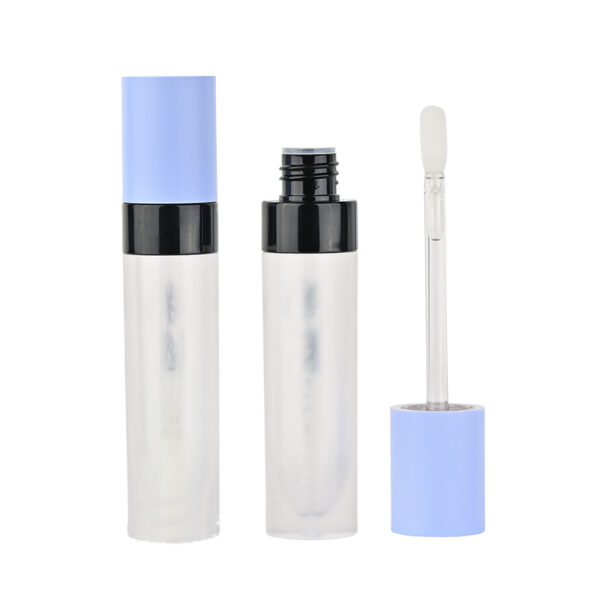
What’s Next: New Principles That Make Better Packaging Stick
Real-world Impact
Forward-looking solutions work because the physics is sound. Start with flow control: airless pump systems using micro-clearance pistons maintain dose accuracy as viscosity shifts across seasons. Pair that with PCR resin blends validated for creep and stress whitening, and you keep look and feel stable without excess weight. Decoration that lasts? Hybrid curing (UV + EB) improves abrasion resistance over standard varnish. Traceability that helps, not hinders: serialized molding with inline vision flags gate blush and short shots before assembly—an upstream fix, not a downstream apology. When comparing makeup packaging companies, ask how their metrology links to corrective action, not just to reports.
This is comparative, not theoretical. Against legacy setups, smart torque control and cold-foil stamping with durable topcoats reduce scuff returns, while right-sized springs prevent “first-pump burp.” Meanwhile, EPR compliance and recycled content targets need proof, not claims—audited PCR streams beat vague “eco” tags. We have moved from price-versus-pretty to measurable resilience—different tempo, same goal. In short: align pump mechanics to formula, select finishes for abrasion cycles, and embed data in the line (QR or laser lot codes). Advisory close: choose on three metrics—1) dose consistency over 500 cycles; 2) finish abrasion rating after 1,000 rubs; 3) verified PCR percentage with chain-of-custody. Do this, and rework drops while user trust climbs— and that’s the kicker. Learn more with NAVI Packaging.